U.S.-Canada Tariff Clash Reaches Tourism as Cross-Border Travel Stays Weak
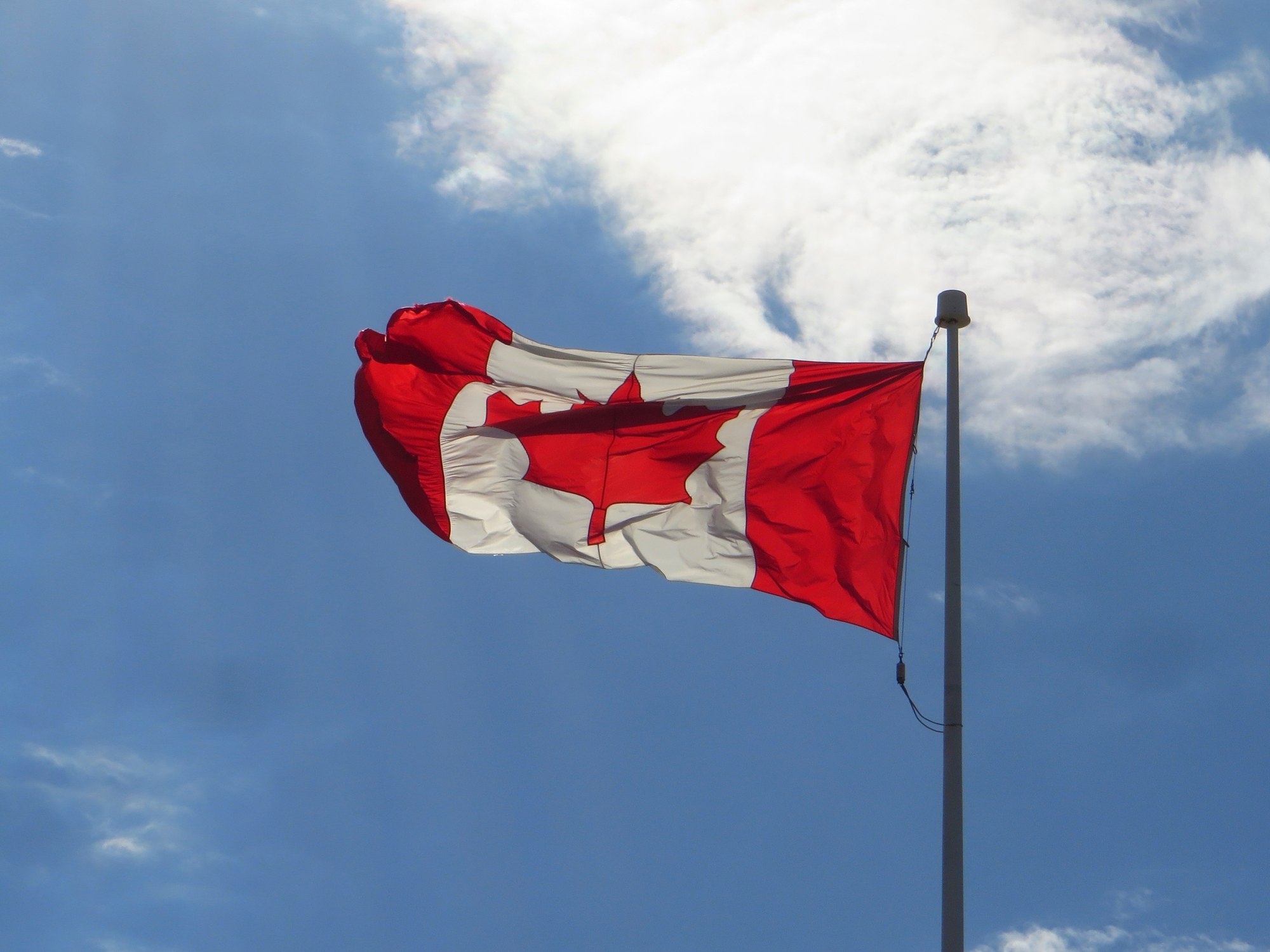
American tourism organisations have spent much of the past year telling Canadians that they are still welcome in the United States. Billboards, online advertisements and special offers have appeared as Canadian travel south of the border remains well below earlier levels. The latest escalation in the U.S.-Canada tariff dispute now threatens to reinforce the informal consumer boycott just as border traffic had begun to show a modest improvement.
Josh Loewen, a Vancouver marketing executive, told the Associated Press that he understood why U.S. destinations were making conciliatory appeals. His family had regularly visited San Diego, Portland and Seattle, but chose Mexico this year and has not entered the United States since President Donald Trump’s inauguration. Loewen said the decision was tied not to the quality of an American holiday but to whether Canadians wanted to spend money in the country while relations remained tense.
The political and commercial backdrop has changed sharply. Trade negotiations collapsed in August, and the United States imposed import taxes of up to 50% on a range of Canadian products. An Associated Press report published on August 25 said the measures covered about $20 billion in Canadian goods. Canada announced retaliatory tariffs scheduled to begin on September 8 after last-minute negotiations failed.
Prime Minister Mark Carney said U.S. demands threatened major Canadian industries, including vehicles, steel and aluminium. His government prepared countermeasures as well as support for workers and companies affected by the tariffs. Carney also suggested that Canada might move away from matching U.S. tariffs dollar for dollar and use more targeted measures intended to protect Canadian employment and businesses.
The dispute involves industries whose operations are closely connected across the border. The two countries share integrated supply chains in vehicles, energy, agriculture and manufacturing. Ontario is the centre of Canadian vehicle production, with Ford, General Motors and Stellantis operating major assembly plants in the province. Parts routinely cross the border several times during production, and the wider network supports tens of thousands of jobs.
Ontario Premier Doug Ford said Canada should consider stronger measures if the dispute worsened, including restrictions involving electricity, oil, potash and critical minerals. Ontario supplies enough electricity to power 1.5 million homes and businesses in the United States, according to Ford. During an earlier phase of the dispute, the province placed a 25% surcharge on power exports to Michigan, Minnesota and New York. Both sides later stepped back after Trump threatened to double tariffs on Canadian steel and aluminium.
The effects of the strained relationship were already visible in travel data before the current tariff round. Canadian residents made 25% fewer return border crossings in 2025 and spent about $2.4 billion, or C$3.3 billion, less on U.S. travel than a year earlier, according to Statistics Canada. Canada traditionally supplied more overnight international visitors to the United States than any other country.
The decline was not driven by politics alone. A weaker Canadian dollar made American trips more expensive, while airfares and hotel prices also rose. Statistics Canada data showed that Canadian air travel to the United States had been falling since September 2023. In a July report, the agency described the pullback after Trump returned to office as a persistent change in Canadian travel preferences.
There were tentative signs of improvement in May, June and July 2026. The latter two months coincided with the World Cup, jointly hosted by the United States, Canada and Mexico, and Canada’s national team played during the opening weeks. Most of the increase in cross-border traffic came from car trips. Air travel to the United States remained below year-earlier levels in every month through June, while U.S. government estimates showed another decline in overnight Canadian visits during the first half of 2026.
Tourism authorities have responded with discounts and direct outreach. New York launched a “NY Loves Canada” campaign offering deals at hotels, restaurants and attractions. Some hotels in downtown Las Vegas have treated the Canadian dollar as equal to the U.S. dollar, giving Canadian visitors more value. Las Vegas tourism officials travelled to Canada to meet travel advisers, tour operators and airline representatives.
Brand USA, the national tourism marketing organisation, plans to hold its Travel Week trade event in Canada for the first time in October. The programme expands and renames an earlier initiative called Canada Connect. Local destinations have also stressed that Canadian families remain welcome.
State-level figures show how far demand has moved. Florida recorded a 7% decline in Canadian visitors in 2025, according to Visit Florida. Visit California, citing Tourism Economics, estimated a 20% fall in Canadian arrivals. The end of summer makes the next few months especially important for Florida, Arizona and California, where large numbers of Canadian “snowbirds” usually spend part of the winter.
Some local officials remain confident. Jennifer Adams, tourism director for the Destin-Fort Walton Beach area in Florida, said her organisation had continued to focus on a welcoming message. Other Canadian travellers interviewed by the Associated Press said the latest tariffs had strengthened decisions to avoid the United States. Calgary life coach Eileen March said she would not even book a flight with a U.S. layover and would reconsider only after seeing how a future administration approached Canada.
The next scheduled milestones are now close together. Canadian countertariffs are due to begin on September 8, the winter travel season is approaching, and Brand USA’s Canadian trade event is planned for October. The tariff dispute and the travel decline are unfolding at the same time across a border used by integrated manufacturers, frequent visitors and the destinations that have long depended on them.