Apollo’s easyJet Offer Lands in a European Airline Market Moving Toward Bigger Groups
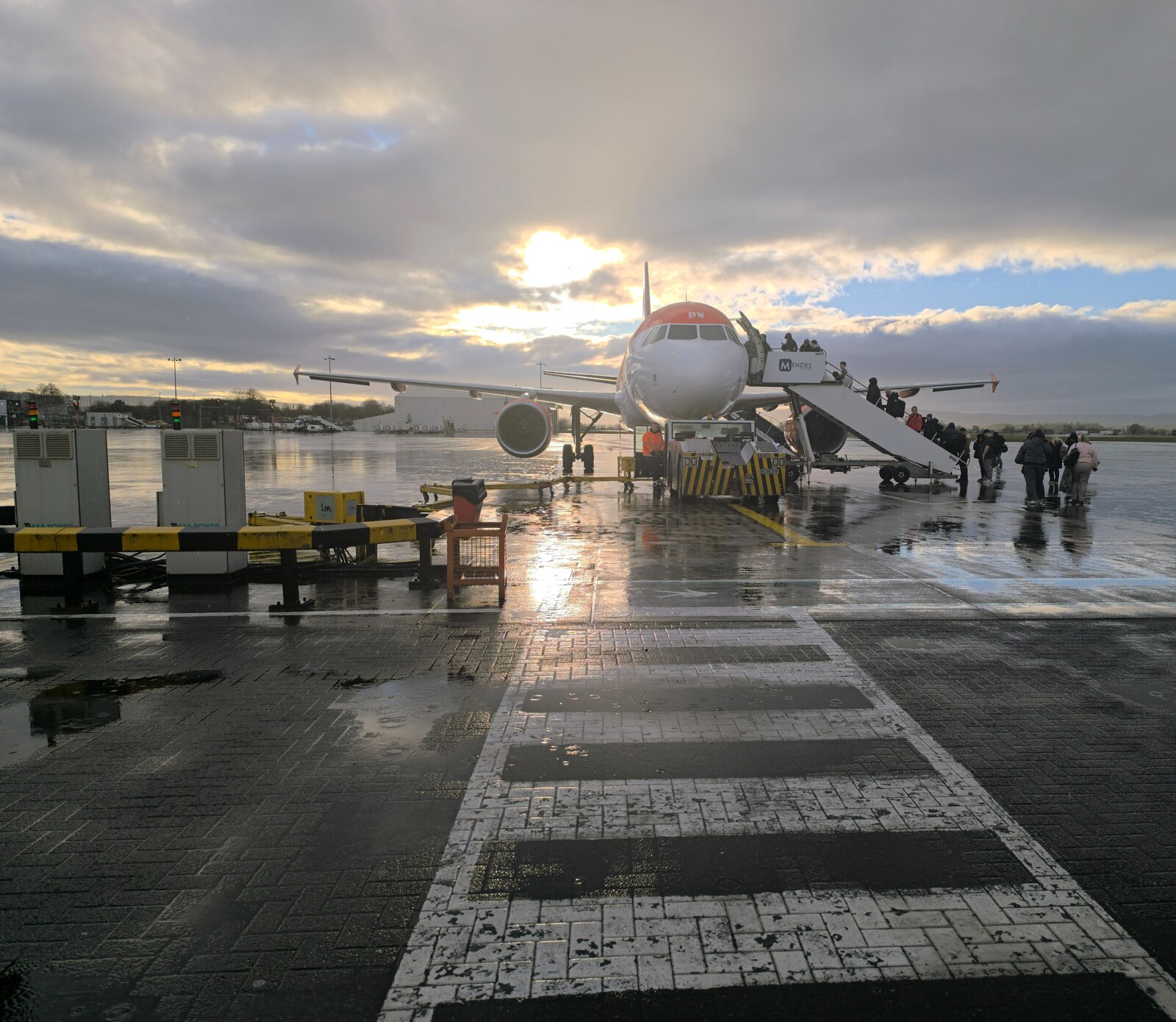
The proposed £5.7 billion takeover of easyJet by funds backed by Apollo is one of several ownership changes now under way in European aviation. Reuters Breakingviews reported on September 8 that consolidation has moved more slowly in Europe than in the United States, while current deals, reduced winter schedules and persistent cost pressures are changing the shape of the market.
easyJet said in an update published on September 7 that it had agreed terms for a recommended cash acquisition by Eagle Bidco, a company backed by Apollo. The agreement was first announced on August 6 and is structured as a court-approved scheme of arrangement. The easyJet board has unanimously recommended that shareholders vote in favour.
A takeover timetable still has several steps. The scheme document is due to be published by October 15 after easyJet and Bidco received an extension from the Takeover Panel. A Court Meeting and a General Meeting are expected during the week beginning November 9. Approval requires 75% support at each meeting, and the transaction will also need regulatory clearance. Completion is expected by the end of the first quarter of 2027.
From rival approaches to a firm offer
Apollo’s offer followed a series of approaches from Castlelake. easyJet rejected Castlelake’s first three proposals in late May and June, then turned down a fourth proposal of £6.50 per share on June 25 because the board believed it undervalued the company. On July 5, easyJet and Castlelake said the board was prepared to recommend the financial terms of a £6.90-per-share proposal.
Five days later, Apollo submitted a higher cash proposal of £7.15 per share. The easyJet board reached an agreement in principle on those terms and was no longer minded to recommend Castlelake’s proposal. Castlelake withdrew on August 6, when Apollo made its firm offer under the UK Takeover Code.
The £7.15 cash price values easyJet’s issued and to-be-issued ordinary share capital at approximately £5.7 billion. According to the airline, it represents a premium of about 81% to the share price before takeover speculation began and 54% to the price immediately before the Middle East conflict affected the sector.
Eligible shareholders will also be offered an alternative to cash. They may elect to receive unlisted shares in Apollo’s investment vehicle and retain an interest in easyJet’s future growth alongside Apollo funds. Those shares carry a three-year lock-up, and the easyJet board has not recommended one option over the other.
What Apollo says it will keep
easyJet says its flights continue to operate normally while the process is under way. Apollo plans to retain the easyJet brand and leave the existing brand-licence agreement with easyGroup unchanged. The airline’s UK headquarters and operating licences in the UK, Austria and Switzerland are also due to remain in place.
Apollo has said it will safeguard existing contractual and statutory employment rights, including pension rights, under applicable law. Its plans support easyJet’s current strategy, including fleet modernisation and the use of larger aircraft, further development of ancillary services and loyalty products, and expansion of easyJet Holidays. The buyer has also said it intends to retain key employees and make no material change to the balance of skills and functions across management and staff.
Europe remains less concentrated than the United States
The takeover sits within a European market that remains more fragmented than its American counterpart. Reuters Breakingviews reported that the four largest U.S. airlines controlled about 80% of the domestic market in 2025. In Europe, the six largest groups together accounted for roughly 70%, according to Cirium data cited by Reuters.
The two markets also developed at different speeds. Bernstein analysts calculated that airline seat capacity in the European Union grew at a compound annual rate of 4.6% between 2004 and 2019, while real gross domestic product increased by 1.4%. U.S. airline capacity rose by 2.2% over the same period, only slightly faster than the 2% increase in real GDP.
A wave of American airline deals between 2008 and 2013 included Delta’s merger with Northwest, Southwest’s purchase of AirTran, the combination of American and US Airways, and United’s merger with Continental. Ryanair chief executive Michael O’Leary said in 2023 that he expected Europe eventually to consolidate around IAG, Lufthansa, Air France-KLM and Ryanair, in a structure resembling the U.S. market led by four large carriers.
Fuel pressure meets a busy deal calendar
European airlines have faced a sharp increase in fuel costs during 2026. Jet fuel reached about $1,800 a metric tonne in mid-March, more than twice its level a year earlier. Shares in Air France-KLM and Wizz Air each fell by about 30% in the month after the initial U.S. and Israeli strikes. Additional refinery supply from Europe, the United States and Africa later helped the summer pass without the severe shortage that had been feared.
Europe has not recorded a major airline collapse during this period, although Norse Atlantic completed a rights issue and began a strategic review, while the price of airBaltic’s 2029 bonds fell as the carrier sought financing. In the United States, Spirit Airlines ceased operations in May.
Travel demand in Europe remained comparatively resilient through the summer, and pre-war fuel hedging also supported carriers. Attention is now shifting to the quieter winter season. Ryanair reduced its schedule for the period from November to March, and Bank of America analysts cited by Reuters expected other airlines to follow.
Other ownership changes are advancing at the same time. Lufthansa and Air France-KLM are competing for a 44.9% stake in TAP Air Portugal. Air France-KLM expects to increase its holding in SAS to 60.5% by the end of the year, while Lufthansa has exercised an option to raise its stake in ITA Airways from 41% to 90%.
Network strategies are changing as well. Cirium data cited by Reuters show full-service airlines including TAP, ITA and Lufthansa placing greater emphasis on intercontinental routes. A TAP presentation said European short-haul flying declined from 41% of its capacity in 2019 to 32% in 2024 as services to North and South America expanded.
Wizz Air expects annual seat growth to slow to 11% through March 2030 from a rate in the high twenties during the current quarter. Reuters also identified long waits for new Airbus and Boeing aircraft, rising air-traffic-control and airport charges, and tighter environmental rules among the obstacles confronting new entrants.
easyJet shareholders now await the scheme document and two November votes. At the same time, the rest of the sector is entering winter with fuel near $1,500 a tonne, several ownership transactions in progress and major groups adjusting capacity. Europe has not yet reached the level of concentration seen in the United States, but the easyJet offer is proceeding alongside a growing collection of deals involving some of the continent’s best-known airline brands.

